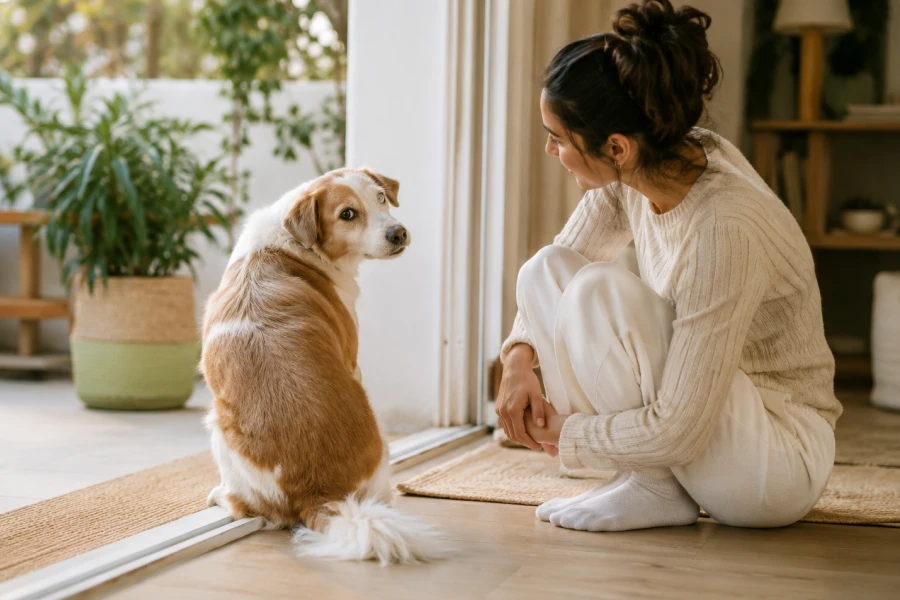
Dog affection body language can be easy to miss when you only look for obvious excitement. Many dogs communicate warmth through posture, distance, and small daily choices. A relaxed sigh beside your chair may matter more than a dramatic greeting. The key is to watch the whole dog. Eyes, ears, movement, and muscle tension work together. No single gesture tells the entire story. Context also matters because dogs behave differently at home and outdoors. When you become familiar with your dog’s baseline, changes stand out more clearly. That attention can make your connection feel more intentional. It can also help you respect your dog’s comfort zones.
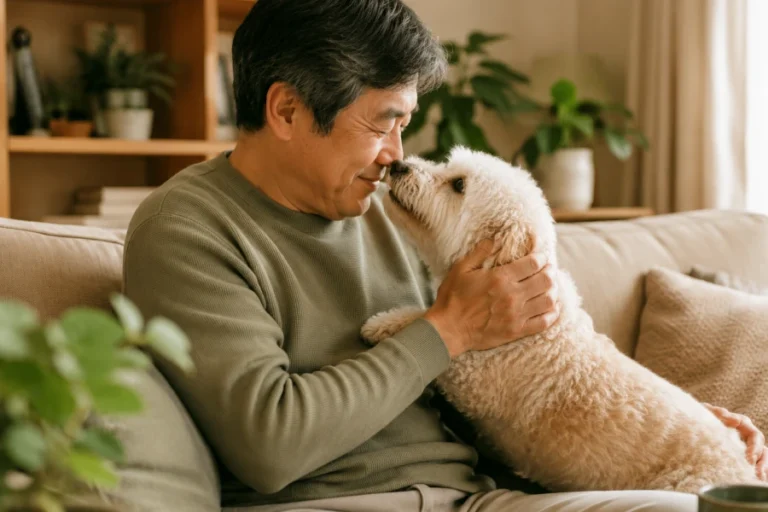
A comfortable dog often looks loose rather than stiff. Their movements may appear easy and unhurried. You might see a soft face, gentle blinking, or a natural resting position. These signals matter most when they appear repeatedly around you. A dog can enjoy closeness without needing constant touch. The affectionate dog behaviors resource can help you spot those subtle patterns. Notice whether your dog chooses to remain nearby after an interaction ends. Voluntary staying often carries more meaning than a momentary response. Give your dog room to move away when they want. Respect makes future closeness feel safer.
Some dogs look back during a walk to confirm where you are. Others pause beside you before exploring a room. Those brief check-ins can show awareness and connection. They do not need to become constant or intense to matter. A relaxed glance can be enough. Notice whether your dog returns to you after investigating something interesting. This can reflect a comfortable relationship, especially in familiar settings. Keep your response calm so the moment stays natural. A quiet smile or soft praise may be enough. The goal is to see the pattern, not demand more of it.
Your dog may choose a spot close to you while still keeping personal space. That choice can be especially meaningful for dogs who do not enjoy frequent cuddling. Proximity is not always about needing attention. Sometimes it reflects simple comfort in your presence. The dog emotional connection framework invites you to notice those quiet preferences. Watch where your dog settles during ordinary evenings. Pay attention to whether they follow you from room to room. Let them choose the level of contact they want. A secure bond can look calm and unremarkable. That is often exactly what makes it strong.
A tail wag can happen during many emotional states. That is why tail movement needs a larger body-language picture. Look for a loose body, soft eyes, and relaxed ears. Notice the speed and direction of movement as well. Your dog’s usual behavior gives these details meaning. A dog tail and eye signals approach helps prevent overconfident conclusions. Avoid treating one cheerful-looking cue as a complete answer. Instead, observe how several signals appear together. Your dog’s comfort should remain the priority. Better observation makes interactions kinder.
Play can reveal a dog’s interest in shared activity. Rest can reveal a dog’s sense of security. Both moments provide useful clues when viewed together. A playful bow may invite interaction, while a nearby nap may show trust. Notice whether your dog stays relaxed during transitions between activity and rest. That ability to settle can reflect comfort in your home. Keep games suited to your dog’s energy and preferences. End interactions before they become too intense. Your dog will often show you what feels enjoyable. Listening to those preferences supports a better bond.
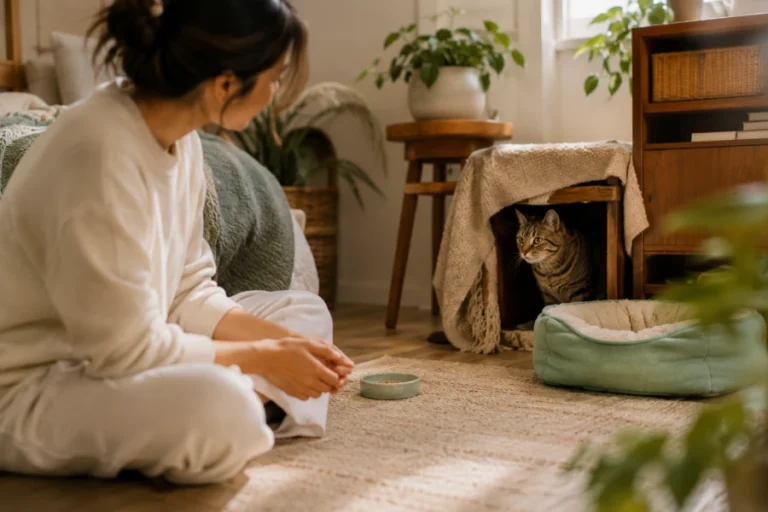
Understanding affection also means recognizing when a dog needs space. Turning away, moving back, or becoming still can signal discomfort. Respecting those signs builds trust over time. Avoid forcing hugs, close eye contact, or social situations your dog dislikes. Give your dog a calm route away from busy moments. Your response teaches them whether communication works. When dogs feel heard, they often become more comfortable offering connection. That comfort cannot be rushed. Small respectful choices add up every day. They create the conditions where affection can appear naturally.
The more you observe, the more familiar your dog’s style becomes. You may notice how their face changes before a favorite walk. You may recognize the quiet comfort of a nearby resting place. The Understanding Canine Love Signals resource can support that ongoing attention. Use it to build curiosity rather than rigid interpretations. Every dog has a personal communication style. Let that individuality guide your understanding. Respond to comfort with patience and predictable care. Over time, the relationship becomes easier to read.

Leave a comment